
What Is Dry Needling?
Dry Needling is a modern therapeutic technique used by trained healthcare professionals to treat muscle pain and dysfunction. It involves inserting thin, sterile, solid filiform needles (similar to acupuncture needles) directly into trigger points—tight bands of muscle or knots—to stimulate a healing response and relieve pain.
Despite using similar tools, dry needling is not acupuncture. It is based on Western anatomical and neurophysiological principles, rather than traditional Chinese medicine. The primary goal is to target musculoskeletal issues and restore normal muscle function.
Dry Needling is often used in conjunction with other manual therapy techniques to treat a number of conditions such as:
Myofascial pain and muscle tightness
Headaches and migraines
Neck, shoulder, and back pain
Tendinitis and overuse injuries
Joint dysfunction
Sports injuries and postural imbalance
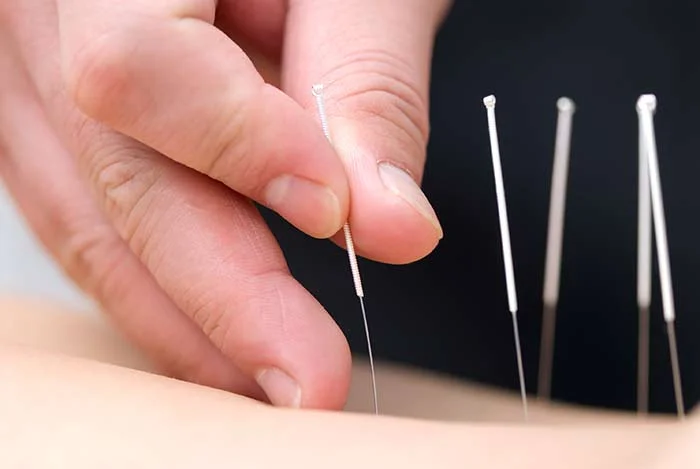
How Does Dry Needling Work?
When a needle is inserted into a trigger point, it can:
Release muscle tension by disrupting the tight muscle fibers
Improve blood flow and oxygen delivery to the area
Reduce local and referred pain
Stimulate a neurological reset that helps normalize movement patterns
Patients may feel a quick twitch response in the muscle, followed by a sense of relief or soreness similar to post-exercise muscle fatigue.
Is It Safe?
Dry needling is considered safe when performed by a licensed and trained professional. As with any treatment involving skin penetration, there is a minimal risk of bleeding, bruising, or infection. Your provider will assess whether it’s appropriate for your specific condition. If you have any questions or concerns regarding Dry Needling please speak to your health professional before treatment.